
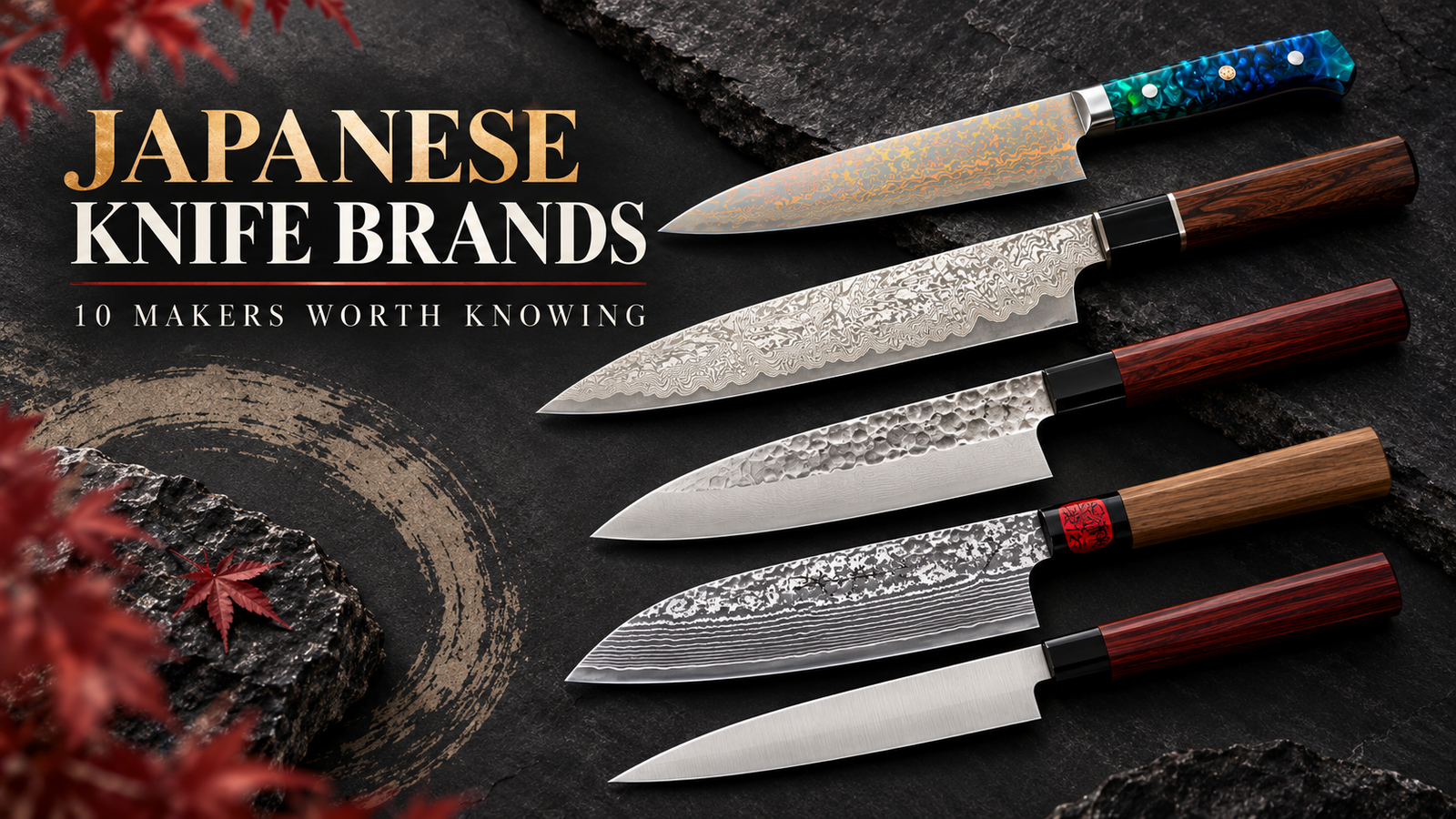
In this guide, we compare 10 Japanese knife brands worth knowing, from established names such as Sakai Takayuki and Sakai Kikumori to specialist makers including Takeshi Saji, Yu Kurosaki, Kei Kobayashi, Nigara, and Shigeki Tanaka. We also include Tamahagane, Iseya, and Kanetsune for buyers looking for practical Japanese-made knives across a wider range of styles and price points. Each brand offers a different combination of craftsmanship, steel, blade style, price, and intended use.
Table of Contents
Affiliate Disclosure: Sourced Japan may earn a commission when you purchase through links on this page, at no additional cost to you.
Best Japanese Knife Brands: What to Look For
When comparing Japanese knife brands, focus on the factors that directly affect how the knife performs and feels in use: steel, blade style, handle, price, and maintenance.
Beginners often benefit from easy-care stainless steel and straightforward designs, while more experienced cooks may prefer harder steels, thinner blade geometry, or specialized Japanese knife styles.
| Factor | What to Consider | Why It Matters |
|---|---|---|
| Steel | Stainless, carbon, or powdered steel | Affects sharpness, maintenance, and edge retention |
| Blade Style | Gyuto, Santoku, Nakiri, Petty, and others | Determines how the knife performs for different tasks |
| Handle | Western or Japanese style | Affects grip, balance, and comfort |
| Price | Entry-level to premium | Helps narrow the brands that fit your budget |
| Maintenance | Ease of sharpening and corrosion resistance | Important for long-term ownership |
Sakai Takayuki
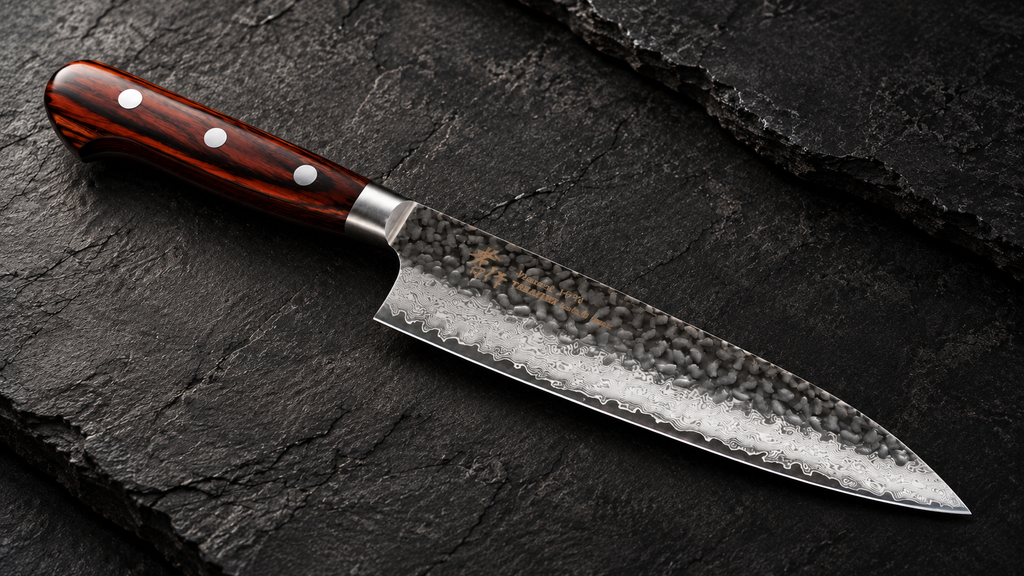
Sakai Takayuki is a Japanese knife brand produced in Sakai, Osaka, one of Japan’s best-known centers of traditional blade making. The brand draws on Sakai’s long-established knife-making traditions and offers both traditional Japanese knives and Western-style kitchen knives.
Sakai Takayuki is a good fit for buyers who want a wide selection of blade styles, steels, finishes, and handle options. Its range includes traditional single-bevel knives as well as versatile Western-style designs, making it especially appealing to cooks who want to explore more specialized Japanese knives.
Shop Sakai Takayuki Knives at Hocho Knife →
Takeshi Saji
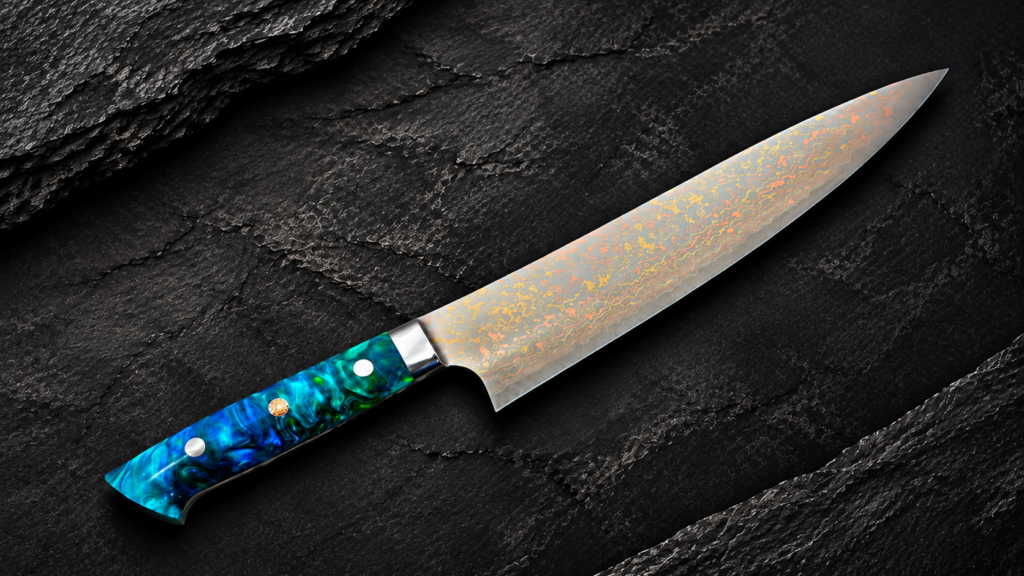
Takeshi Saji is a master blacksmith based in Echizen, Fukui Prefecture, one of Japan’s historic centers of forged cutlery. He was certified as a Traditional Master Craftsman in 1992 and is known for combining traditional hammer-forging techniques with distinctive modern finishes and materials.
His knives range from practical high-performance designs to highly decorative Damascus and Makie-inspired pieces. That combination of cutting performance, craftsmanship, and visual character makes Takeshi Saji especially appealing to enthusiasts looking for premium or luxury Japanese knives.
Shop Takeshi Saji Knives at Hocho Knife →
Yu Kurosaki
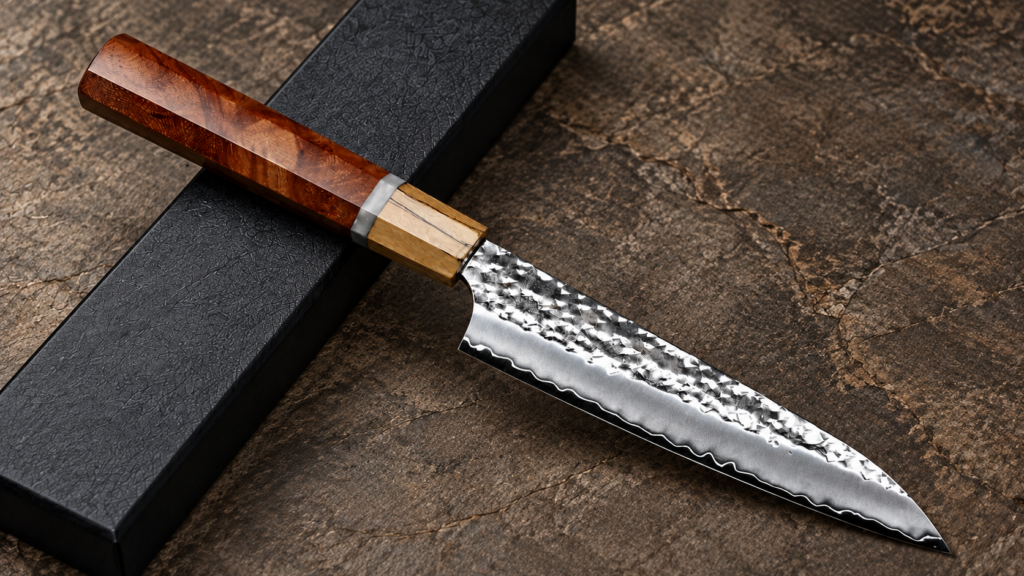
Yu Kurosaki is an Echizen-based blacksmith known for sharp blades and distinctive hammered and textured finishes. His work combines traditional Japanese forging with modern designs that make his knives immediately recognizable.
His lineup includes steels such as VG-10 alongside a variety of Damascus and hammered finishes, making the brand attractive to cooks who want strong cutting performance with a more expressive visual style.
Shop Yu Kurosaki Knives at Hocho Knife →
Tamahagane
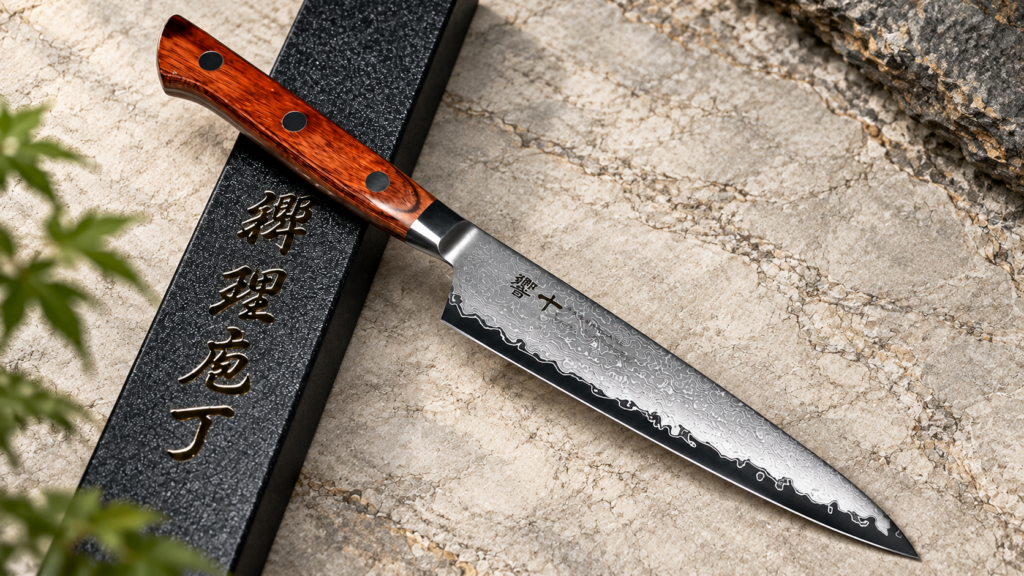
Tamahagane is a Japanese knife brand known for combining modern manufacturing with traditional Japanese blade-making principles. Its lineup includes stainless and Damascus-style knives designed for both home cooks and professional users.
The brand offers a broad range of practical, polished knives, making it a strong choice for buyers who want reliable performance with a refined Japanese aesthetic. Hocho Knife also features Tamahagane among its Japanese knife brands and highlights several of its higher-end lines.
Shop Tamahagane Knives at Hocho Knife →
Kei Kobayashi
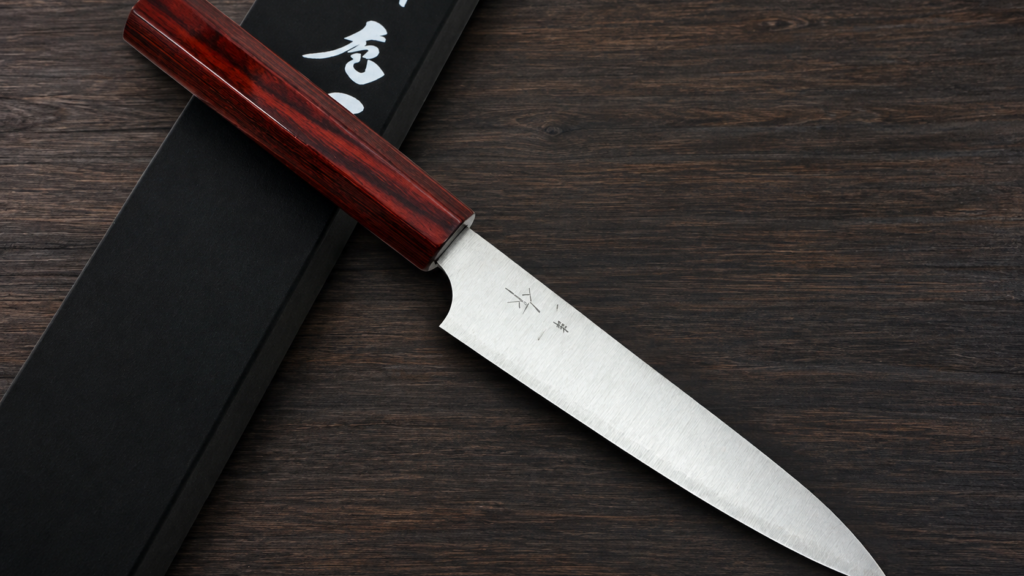
Kei Kobayashi is a Seki-based knife maker known for refined finishing, thin cutting geometry, and exceptionally sharp edges. His lineup is particularly associated with R2 powdered steel and carefully finished Japanese chef’s knives.
The brand is a good fit for experienced home cooks and enthusiasts who value precise cutting performance, polished aesthetics, and premium construction. Its range includes Gyuto, Santoku, Nakiri, Bunka, Petty, and Sujihiki models.
Shop Kei Kobayashi Knives at Hocho Knife →
Iseya
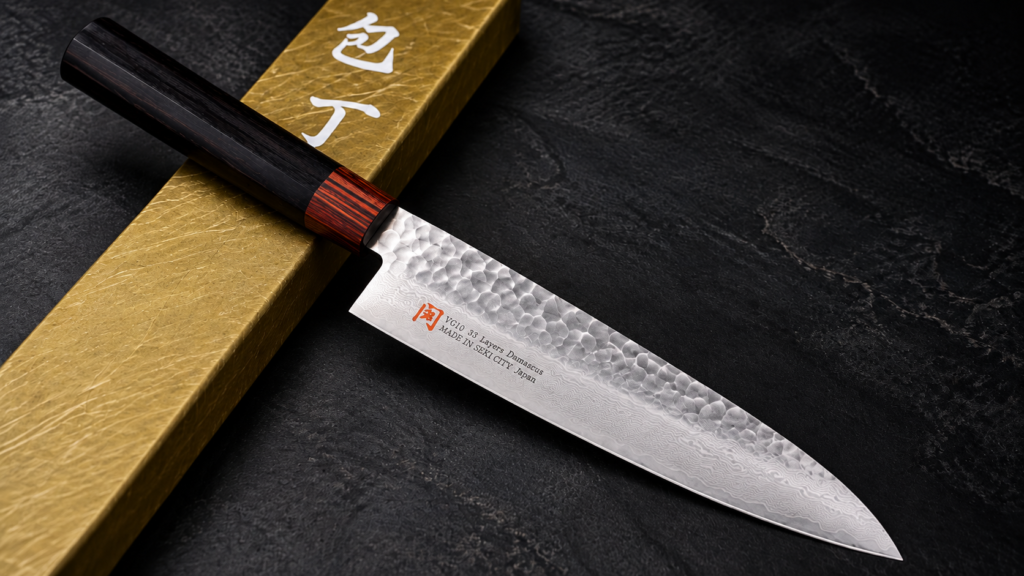
Iseya offers Japanese kitchen knives with a strong focus on approachable Damascus and hammered finishes. Its I-Series, for example, uses 33-layer VG-10 Damascus steel and is available across several common knife shapes.
The brand is a good fit for cooks who want traditional Japanese visual character, stainless convenience, and mid-range pricing without moving immediately into very expensive artisan knives.
Shop Iseya Knives at Hocho Knife →
Nigara
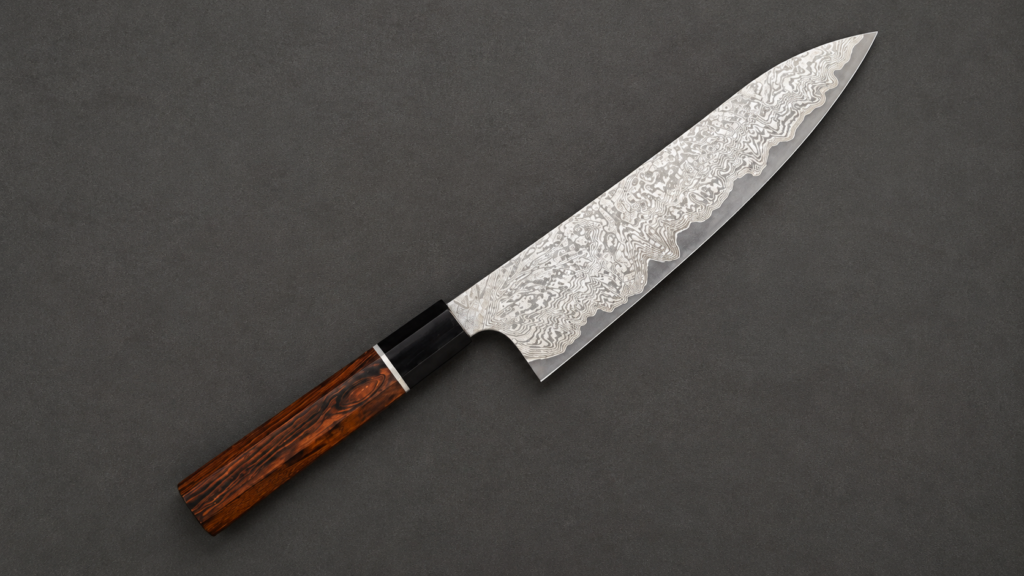
Nigara is a Japanese knife maker with a swordsmithing lineage that Hocho Knife traces back roughly 350 years in the Tsugaru region. Today, the company applies that heritage to modern kitchen knives using both traditional techniques and contemporary steels.
Its lineup includes visually distinctive Damascus and hammered knives alongside high-performance steels such as VG-XEOS. Nigara is especially appealing to buyers who want a combination of craftsmanship, modern materials, and premium presentation.
Shop Nigara Knives at Hocho Knife →
Shigeki Tanaka
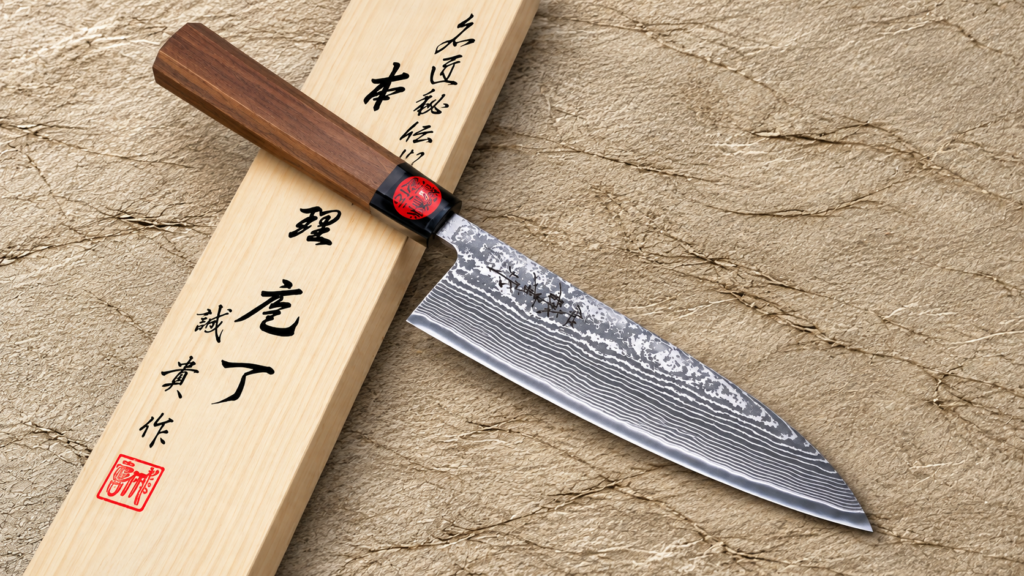
Shigeki Tanaka produces knives in a traditional workshop in Miki City, Hyogo, working with a small team and continuing hand-forging methods associated with Japanese knife making.
His range includes steels such as Aogami No.2, Ginsan, and VG-10, with Damascus and traditional forged finishes available across several knife styles. The brand suits buyers who want a more traditional handcrafted character without limiting themselves to a single steel or blade type.
Shop Shigeki Tanaka Knives at Hocho Knife →
Sakai Kikumori
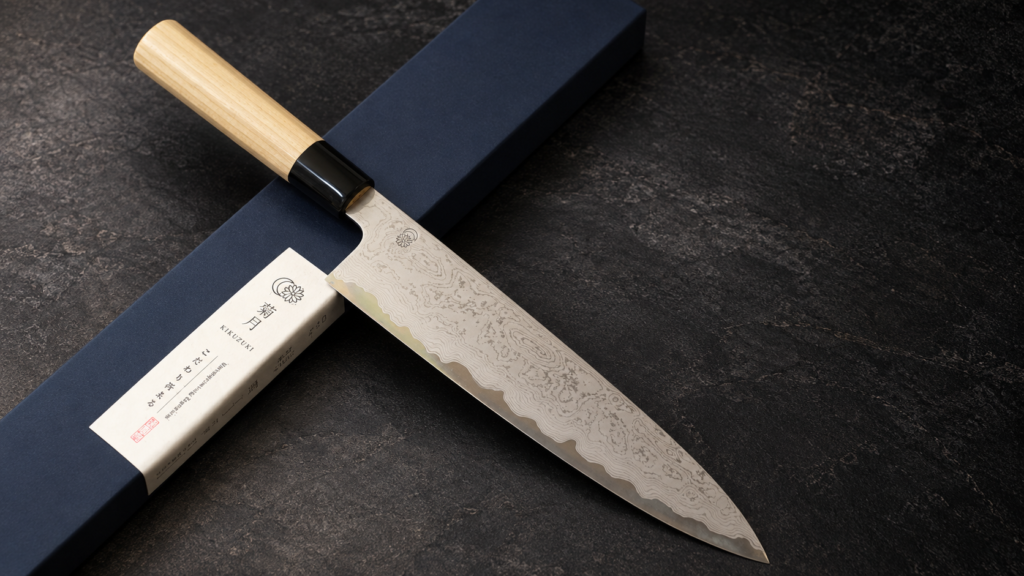
Sakai Kikumori is a long-established Sakai knife brand with a strong professional focus. Hocho Knife describes the brand as a high-class line historically aimed at professional use, with hand-forged carbon-steel knives designed for sharpness, edge retention, and easy resharpening.
Its lineup includes traditional Japanese knives in steels such as White No.2, making Sakai Kikumori especially relevant to experienced cooks, sushi chefs, and buyers looking for professional-level Japanese cutlery.
Shop Sakai Kikumori Knives at Hocho Knife →
Kanetsune
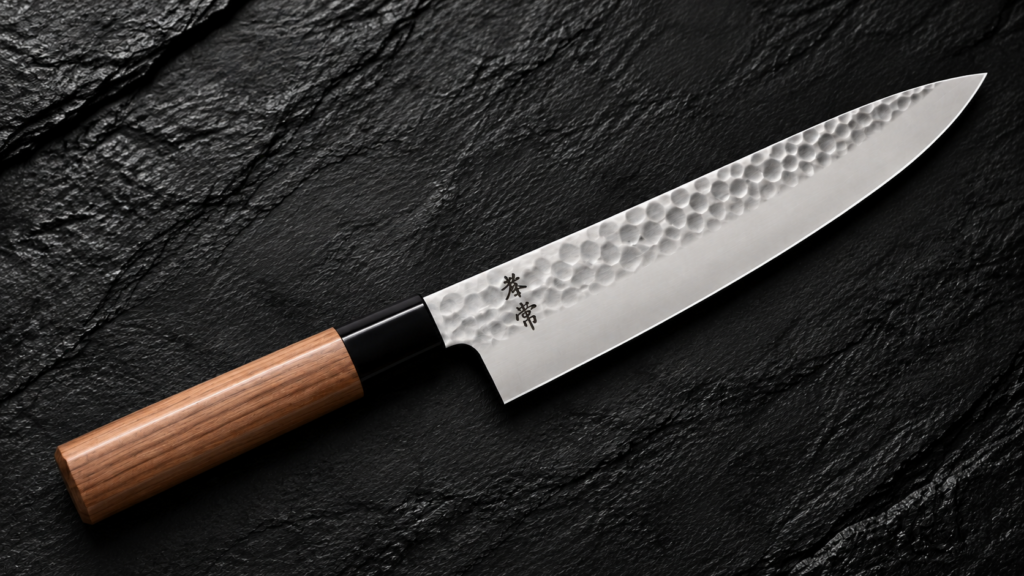
Kanetsune is a Japanese knife brand based in Seki City, Gifu Prefecture, one of Japan’s best-known cutlery centers. The brand offers a broad lineup ranging from practical everyday knives to more specialized models, using steels such as AUS-10, Aogami, and VG-1 across different series.
Kanetsune is a good choice for buyers who want a wide selection of Japanese-made knives across several price levels. Its range includes Gyuto, Santoku, Nakiri, Petty knives, and traditional Japanese blade styles, making it especially approachable for cooks who want to compare different designs within one brand.
Shop Kanetsune Knives at Hocho Knife →
Which Japanese Knife Brand Is Best for You?
There is no single Japanese knife brand that is best for everyone. The right choice depends on your budget, preferred steel, maintenance tolerance, cutting style, and whether you want an easy everyday knife or a more specialized high-performance blade.
| Brand | Best For | General Position |
|---|---|---|
| Sakai Takayuki | Wide selection and traditional Japanese knife styles | Traditional to premium |
| Takeshi Saji | Luxury knives and distinctive finishes | Premium to luxury |
| Yu Kurosaki | Lightweight performance and distinctive blade finishes | Premium |
| Tamahagane | Damascus knives and versatile everyday use | Mid-range to premium |
| Kei Kobayashi | Thin geometry and precise cutting performance | High-performance premium |
| Iseya | Damascus knives for everyday use | Mid-range |
| Nigara | Artistic designs and modern high-performance steels | Premium to luxury |
| Shigeki Tanaka | Hand-forged knives and traditional steel options | Mid-range to premium |
| Sakai Kikumori | Professional use and traditional carbon-steel knives | Professional premium |
| Kanetsune | Broad selection across accessible price ranges | Entry-level to premium |
Choosing between these brands depends on what you value most in a Japanese knife. Sakai Takayuki and Kanetsune offer broad lineups across multiple styles and price levels, while Sakai Kikumori is especially relevant to cooks looking for professional or traditional Japanese knives. Tamahagane and Iseya provide approachable options for buyers who want polished stainless and Damascus-style knives for everyday use.
For buyers interested in premium craftsmanship and distinctive finishes, Takeshi Saji, Yu Kurosaki, Kei Kobayashi, Nigara, and Shigeki Tanaka offer a wide range of high-performance steels, handcrafted finishes, and visually distinctive blade designs.
Frequently Asked Questions
Kanetsune is one of the more approachable brands in this guide because it offers a broad range of Japanese-made knives across different price levels. Sakai Takayuki also offers a wide selection of blade styles and steels. Beginners should still compare the specific knife’s steel, blade shape, handle, and maintenance requirements rather than choosing by brand alone.
Sakai Takayuki and Sakai Kikumori are especially relevant to professional cooks, with broad selections that include traditional Japanese and professional-focused knives. Tamahagane also offers refined Japanese kitchen knives suited to demanding everyday use. The right choice depends on the specific series, steel, blade geometry, and intended kitchen task.
Takeshi Saji, Yu Kurosaki, Kei Kobayashi, Nigara, and Shigeki Tanaka offer premium knives featuring high-performance steels, handcrafted finishes, or distinctive blade designs. Some collections emphasize cutting performance, while others place greater emphasis on traditional craftsmanship or decorative finishing.
Not necessarily. Higher-priced knives may use premium steels, more labor-intensive construction, handcrafted finishes, or specialized forging techniques, but those features do not automatically make a knife better for every cook. Blade shape, balance, maintenance, cutting style, and intended use are just as important.
Both are useful starting points, but the individual knife matters more than the brand name alone. Compare the steel, blade shape, geometry, handle, weight, maintenance requirements, and intended use before choosing. A single brand may offer several series with very different characteristics.
Where to Buy Japanese Knives From These Brands
Hocho Knife carries all 10 makers featured in this guide, making it a convenient place to compare different steels, blade styles, handle options, and price ranges from the same retailer.
You can use the brand links above to browse the current selection from each maker. Availability varies by series and model, so compare the specifications of the individual knife before choosing.
For more options, visit our Trusted Retailers guide to compare other reputable stores specializing in authentic Japanese kitchen knives.
Continue Reading
Want to narrow down your options further? Explore our guides to Japanese knife types, steels, and beginner-friendly picks to find the right knife for your needs.
Japanese Knife Types Guide →
Japanese Knife Steel Guide →
Best Japanese Knives for Beginners →